Language

JoyGlo Food was originally founded in 2003 and specializes in the production and distribution of jelly and beverages. Through decades of deep industry immersion, we have evolved into a premier manufacturing leader. We leverage over 20 years of industrial experience to deliver consistent, high-quality supply chain solutions.
You want the best for your child, so picking a healthier Pouch Juice matters. The easiest way? Look for 100% fruit juice with no added sugars or artificial ingredients. Many parents think all juice is healthy, but sweet flavors and clever labels can trick you. Making a smart choice is quick and simple.
Key Takeaways
-
Always choose pouch juice labeled '100% fruit juice' to ensure it contains no added sugars or artificial ingredients.
-
Avoid juices with high-fructose corn syrup and artificial colors, as these can harm your child's health.
-
Limit juice intake according to age recommendations to prevent dental issues and maintain a balanced diet.
Check Pouch Juice Labels
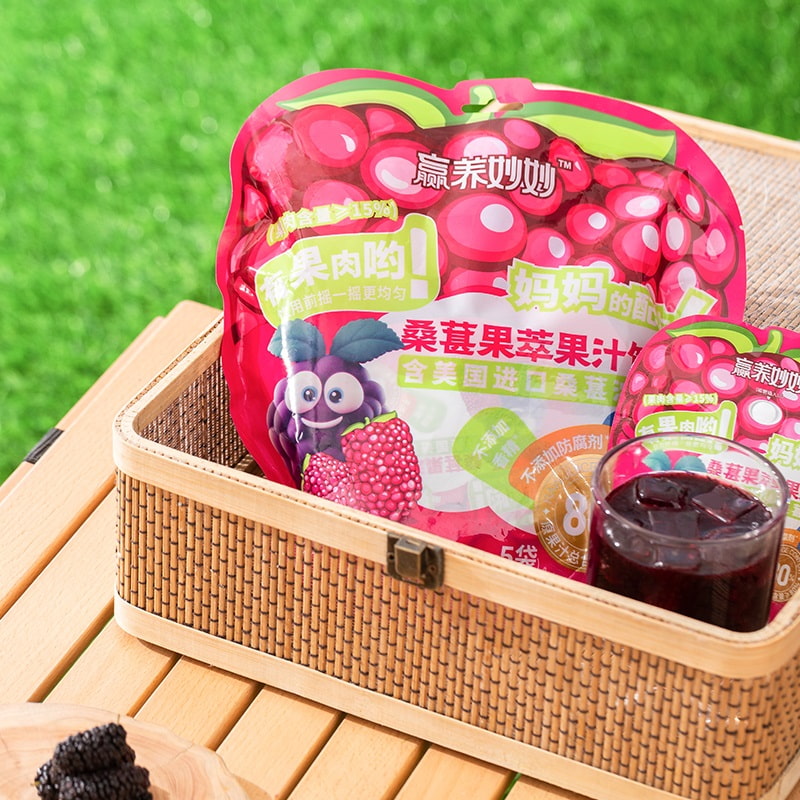
Shopping for juice can feel overwhelming, especially when you see so many colorful pouches on the shelf. You want to make the best choice for your child, but labels can be confusing. Let’s break down what you need to know so you can feel confident every time you pick up a pouch.
Find 100% Fruit Juice
When you want the healthiest option, look at the label for the words "100% juice." This means the drink comes entirely from fruit or vegetable juices. You might see a blend of different fruits, and that’s okay. Just make sure the label says "100% juice." If you see words like "beverage," "drink," or "cocktail," you’re not getting pure juice. These products often contain added sugars, water, or other fillers.
Tip: Always check the ingredients list. Some companies use cheaper juices to cut costs, so the flavor you expect might not be the main ingredient.
Here are some common terms you might spot on pouch juice labels:
-
100% Fruit Juice: If you don’t see this, the pouch may have artificial additives.
-
From Concentrate: This means water was added, which can lower nutritional value.
-
Reduced Sugar: This often means sugar substitutes are used to keep things sweet.
Spot Added Sugars
You want to avoid extra sugar in your child’s drink. Many juice drinks add sugar to boost flavor, but this can lead to health problems over time. Look for "no added sugars" on the label. If you see words like "high-fructose corn syrup," "cane sugar," or "syrup" in the ingredients, put that pouch back on the shelf.
Let’s compare the nutrition in 100% fruit juice and sugar-sweetened beverages:
|
Nutrient |
100% Fruit Juice |
Sugar-Sweetened Beverages |
|---|---|---|
|
Fiber |
Higher |
Lower |
|
Potassium |
Higher |
Lower |
|
Polyphenols |
Higher |
Lower |
Sugar-sweetened drinks can raise the risk of metabolic diseases and other health issues. 100% fruit juice, when enjoyed in moderation, can offer health benefits.
-
Drinking too much sugar can lead to problems like insulin resistance.
-
Juice drinks with added sugars increase the risk of heart and metabolic problems.
Avoid Artificial Ingredients
Artificial colors, flavors, and preservatives can sneak into juice pouches. These ingredients don’t add any nutrition and may cause unwanted effects. Always check the ingredients list for anything that doesn’t sound like real food. If you see a long list of chemicals or numbers, it’s best to choose another option.
Note: Government rules require companies to list all ingredients in order of weight. The first few items make up most of what’s inside.
Here’s what you’ll find on a typical juice pouch label:
|
Label Component |
Description |
|---|---|
|
Product Identity |
Tells you if it’s "100% Orange Juice" or something else. |
|
Ingredient List |
Shows everything inside, starting with the main ingredient. |
|
Nutritional Info |
Lists calories, serving size, and nutrients. |
|
Allergen Info |
Warns about any major allergens. |
|
Net Contents |
Tells you how much juice is in the pouch. |
|
Contact Info |
Gives you a way to reach the company. |
|
Standards of Identity |
Explains what can be called "juice" and the minimum juice content required. |
When you look at the label and check the ingredients, you can spot the healthiest 100% natural pouch juice for your family. Simple health claims on the front can help, but always double-check the back for the real story.
What to Avoid in Pouch Juice
Choosing the right pouch juice means knowing what to skip. Many products look healthy but actually hide a lot of sugar and artificial stuff. Let’s break down what you should watch out for.
Skip High-Fructose Corn Syrup
High-fructose corn syrup (HFCS) is a sweetener you’ll find in many drinks. It’s not just about extra calories. Studies show that kids who drink beverages with HFCS have a much higher risk of developing asthma. The rise in childhood asthma matches the increase in HFCS use in foods and drinks. You want to protect your child’s health, so always check the ingredients list for HFCS and leave those pouches on the shelf.
-
HFCS in drinks can double or even triple the risk of asthma in children.
-
Apple juice and other sweetened drinks often contain more fructose than you might expect.
Watch for Artificial Colors
Artificial colors make juice look bright and fun, but they don’t add any nutrition. Some research links these additives to behavior changes in kids. You don’t want unnecessary chemicals in your child’s drink. If you see colors or numbers in the ingredients, it’s best to pick another option.
Many fruit drinks labeled with 'juice' or 'nectar' do not actually contain juice as one of the first two ingredients. Additionally, products claiming to be a 'good source of vitamin C' often contain high levels of sugar, averaging 10.1 g per 100 mL.
Beware of Juice “Drinks”
Not every pouch with the word “juice” is real juice. Juice “drinks,” “beverages,” or “cocktails” usually have added sugars, water, and artificial ingredients. These can have as much sugar as soda. Some even contain non-caloric sweeteners, which experts don’t recommend for kids.
-
Check for “100% juice” on the label.
-
If you see “drink,” “beverage,” or “cocktail,” it’s not pure juice.
-
Watch for phrases like “with added ingredients” or “not from concentrate.”
You want to give your child the best. By avoiding sugar-heavy and artificial products, you help them stay healthy and happy.
Smart Tips for Choosing Pouch Juice
Pick Protective Packaging
You want your juice to stay fresh and safe. Protective packaging matters. Look for pouches that block light and air. These features help keep nutrients intact and prevent spoilage. Some pouches use layers that seal tightly, so you don’t have to worry about leaks or contamination. When you check the packaging, you make sure your healthy options stay that way until your child drinks them.
Tip: Choose pouches with a clear expiration date. This helps you avoid old juice and keeps your family safe.
Choose Pasteurized Options
Pasteurization kills harmful bacteria. You can spot pasteurized juice by checking the label. Most healthy options mention pasteurization in the ingredients or on the front. This process keeps juice safe without changing the taste. You don’t want to risk your child’s health, so always pick pasteurized juice.
Consider Portion Size
Portion size makes a big difference. You might think more juice means more nutrition, but too much can lead to health issues. Pediatricians recommend limits based on age. Check out this table for guidance:
|
Age Group |
Recommended Juice Limit |
|---|---|
|
1 to 3 years old |
No more than 4 ounces |
|
4 to 6 years old |
4 to 6 ounces |
You help your child stay healthy by sticking to these limits. Smaller pouches make it easier to control portion size. When you choose healthy options and pay attention to ingredients, you support your child’s growth and well-being.
Hydration and Healthy Balance
Offer Water and Milk
You want your child to stay hydrated and healthy every day. Water should be the main drink you offer. It keeps your child’s body working well and helps prevent cavities. Milk is another smart choice. It gives your child protein, calcium, and vitamin D, which support strong bones and growth. Both water and milk help balance out the nutrition your child gets from pouch juice.
-
Water is a zero-calorie, low-cost drink that supports hydration and brain function.
-
Milk provides nutrients many children need, like calcium and vitamin D.
-
Both drinks help replenish lost electrolytes and provide energy.
Limit Juice Intake
Juice can be part of a healthy diet, but you need to watch the portion. Too much juice can lead to dental issues and lower fiber intake. The American Academy of Pediatrics recommends these daily limits:
|
Age Group |
Recommended Juice Intake |
|---|---|
|
Infants (< 1 year) |
Avoid fruit juice |
|
1 to 3 years |
Limit to 4 oz per day |
|
4 to 6 years |
4–6 oz per day |
You can check the nutrition info on the pouch to help keep track of how much juice your child drinks. Always look at the nutritional information and ingredients to make sure you pick the best option.
Try Diluting Juice
If your child loves juice, try mixing it with water. This simple trick cuts down on sugar and calories while still giving flavor. You can use the nutrition info on the label to see how much sugar is in each portion. Diluting juice helps you stretch each pouch and keeps your child’s nutrition balanced. When you pay attention to portion size and nutritional information, you help your child get the most out of every drink.
You can make healthier choices for your child with just a few easy steps. Pick pouch juice without added sugar, keep portions small, and offer water or milk often. Patience pays off as taste buds adjust. Check out this chart for daily drink recommendations:
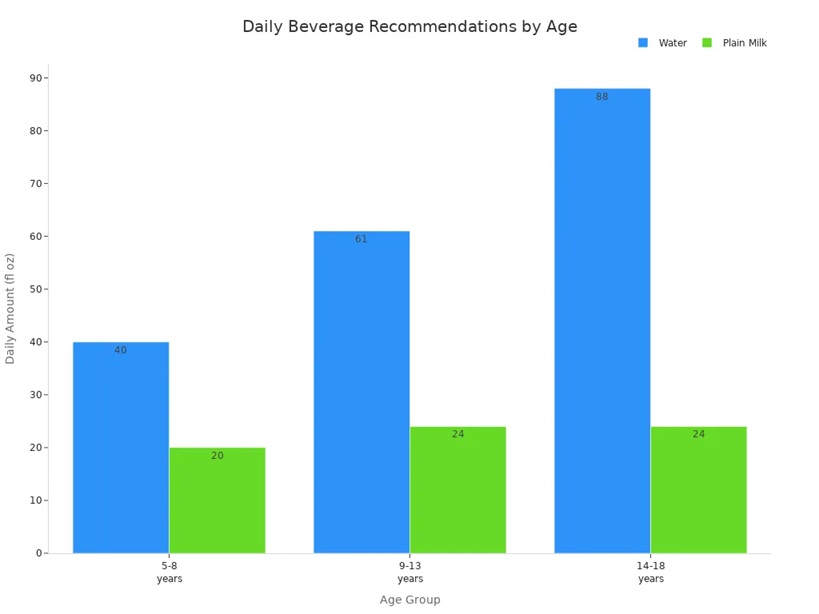
|
Age Group |
Water (fl oz) |
Milk (fl oz) |
|---|---|---|
|
5-8 years |
40 |
Up to 20 |
|
9-13 years |
54-61 |
Up to 24 |
|
14-18 years |
61-88 |
Up to 24 |
Small changes help your family stay healthy. Next time you shop, use these tips and feel good about your choices.
FAQ
Can you trust “100% juice” labels?
You can trust most “100% juice” labels. Always check the ingredients list to confirm there are no added sugars or artificial ingredients.
Is pouch juice healthier than soda?
Yes, pouch juice with no added sugar is healthier than soda. Soda contains more sugar and no vitamins. Juice offers nutrients like vitamin C.
Should you refrigerate pouch juice after opening?
You should refrigerate pouch juice after opening. This keeps it fresh and safe to drink.
Tip: Always check the package for storage instructions.