Is Konjac Jelly Really Zero Calorie? Everything You Need to Know
Konjac jelly has become one of the most popular healthy snacks in recent years. From fitness enthusiasts to parents looking for better snack options for their children, many consumers are attracted by its reputation as a "low-calorie" or even "zero-calorie" snack. But is konjac jelly really zero calorie? Let's take a closer look at the facts.
What Is Konjac Jelly?
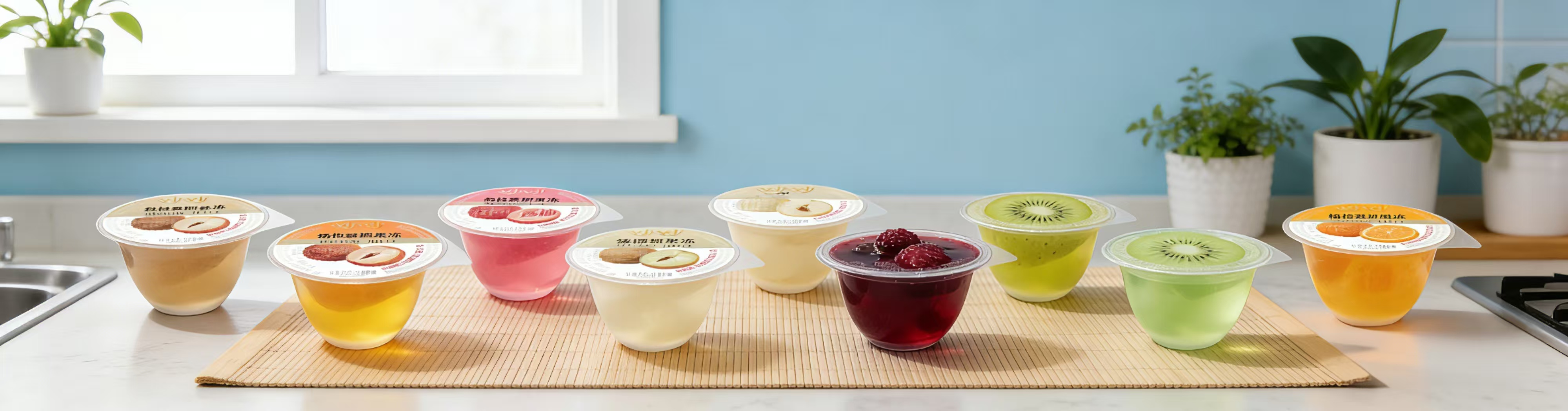
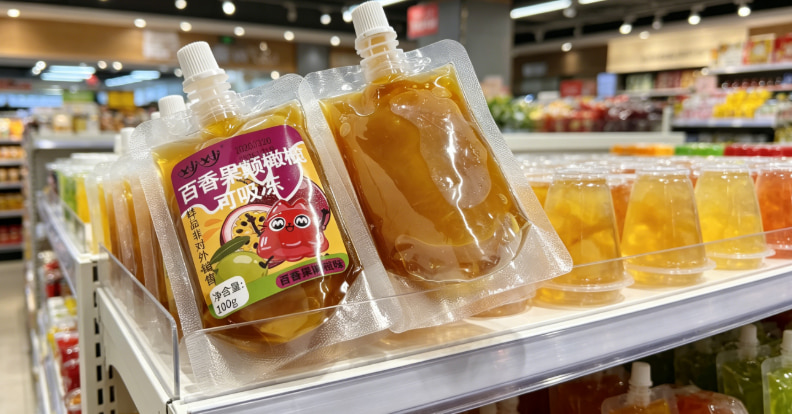
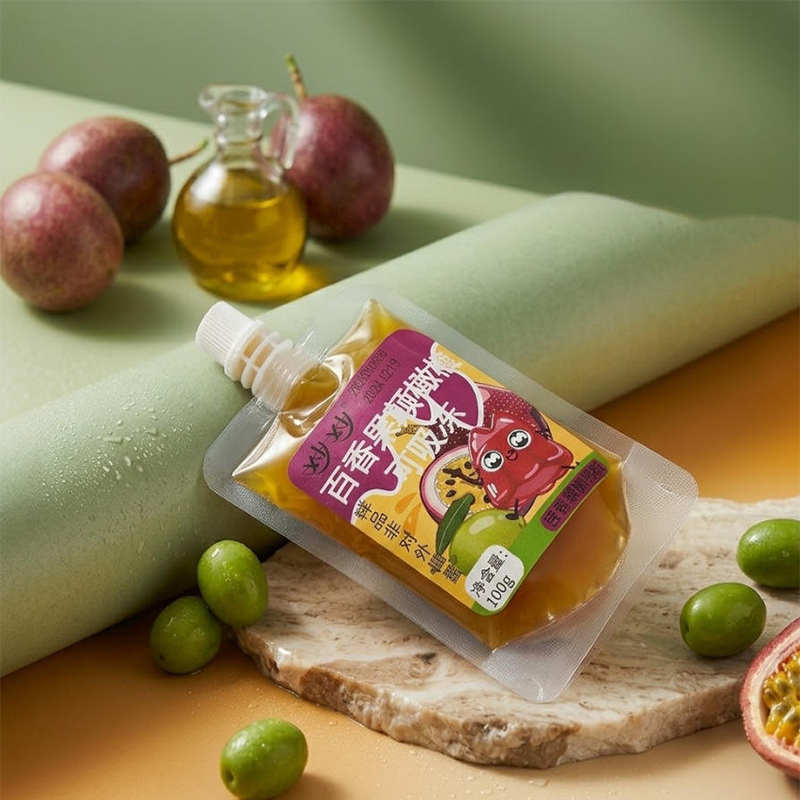
Konjac jelly is made from konjac powder, which is derived from the root of the konjac plant. The key component of konjac is glucomannan, a natural water-soluble dietary fiber known for its ability to absorb water and create a satisfying texture with very few calories. Konjac jelly is often combined with fruit juice to enhance flavor and create a delicious, convenient snack. Many modern drinkable konjac jellies also feature squeezable pouch packaging, making them ideal for on-the-go consumption.
Is Konjac Jelly Truly Zero Calorie?
The short answer is: not always.
Pure konjac fiber itself contains very few calories because it is mostly dietary fiber. However, most commercial konjac jelly products include additional ingredients such as:
- Fruit juice
- Natural sweeteners
- Fruit puree
- Flavorings
These ingredients contribute some calories to the final product. As a result, most konjac jellies are low-calorie rather than completely zero-calorie.
Some sugar-free versions may contain extremely low calorie levels and can be marketed as "near zero calorie" depending on local food regulations. However, consumers should always check the nutrition label rather than relying solely on front-of-pack claims.
Why Is Konjac Jelly Considered a Healthy Snack?
1. Low Calorie Content
Compared with traditional desserts, cakes, or sugary snacks, konjac jelly generally contains significantly fewer calories while still providing a pleasant texture and satisfying eating experience.
2. High in Dietary Fiber
Glucomannan fiber helps create a feeling of fullness, making konjac jelly a popular option among consumers looking for portion-controlled snacks.
3. Convenient and Portable
Modern drinkable konjac jelly products are commonly packed in squeezable pouches that are easy to carry, store, and consume anytime. This convenience has contributed to the growing popularity of konjac jelly worldwide.
4. Fruit-Based Flavor Experience
Many premium products combine konjac with real fruit juice, offering refreshing fruit flavors while maintaining a healthier nutritional profile. JoyGlo Food's drinkable konjac jelly, for example, uses pure fruit juice with no added water and is designed to deliver a more authentic fruit taste.
What Should Consumers Look for When Buying Konjac Jelly?
Not all konjac jellies are created equal. When selecting a product for your retail line or personal consumption, consider the following key factors:
Juice Content: Higher fruit juice content often provides a more natural fruit flavor experience rather than relying heavily on artificial flavorings.
Added Sugar: Choose products with reduced sugar or naturally sweetened formulations (such as erythritol or stevia) if you are monitoring daily sugar intake.
Clean Label Ingredients: Global consumers increasingly prefer products made with natural ingredients and fewer artificial additives. Industry trends show a strong, consistent demand for clean-label snacks and beverages across Western markets.
Certifications: For bulk B2B sourcing, international food safety certifications such as HACCP, HALAL, FDA registration, and FSSC22000 are essential. They indicate robust food safety and strict quality management systems. JoyGlo's drinkable konjac jelly products, for instance, are fully produced under these internationally recognized standards.
Why Is Konjac Jelly Growing So Fast Globally?
Modern consumer preferences are shifting dramatically toward healthier snacking habits, specifically favoring:
- Lower-calorie and guilt-free snacks
- Functional foods with high dietary fiber
- On-the-go portable packaging solutions
- Natural, clean-label plant-based ingredients
- Innovative, satisfying gel textures
Global market research indicates continued robust growth in the healthy jelly market, heavily driven by demand for clean-label formats and natural fruit ingredients. Konjac jelly aligns perfectly with these market shifts by successfully merging convenience, plant-based nutrition, and texture innovation.
Final Thoughts
So, is konjac jelly really zero calorie? Not necessarily. While konjac itself contains very few calories, most fruit-flavored commercial konjac jellies contain minor calories derived from real fruit juice and natural sweeteners. However, compared with conventional high-sugar snacks, cakes, and traditional gelatin desserts, konjac jelly remains an exceptional, low-calorie alternative.
For worldwide consumers seeking a delicious, portable, and fruit-infused snack experience, drinkable konjac jelly offers an appealing balance of taste, convenience, and modern nutrition. As manufacturers continue to innovate with higher juice content and cleaner formulations, konjac jelly is highly projected to remain one of the fastest-growing categories in the global functional snack market.


 Language